Thinking about buying your first rental in Watseka? With approachable prices and a small-town pace, it can feel like the perfect place to start. The key is knowing local rents, realistic expenses, and the rules that shape returns. In this guide, you’ll get a clear snapshot of Watseka’s market, a simple way to run the numbers, and a step-by-step checklist to move forward with confidence. Let’s dive in.
Why Watseka appeals to beginners
Quick market snapshot
Watseka is a small county-seat city with roughly 4.6 to 4.8 thousand residents and about 2,277 households. The area has around 2,440 total housing units, which implies a modest vacancy buffer typical of small Midwest towns. You can explore the latest population and housing counts on Census Reporter’s Watseka profile for added context and verification. Refer to the place profile on Census Reporter for Watseka.
Home values and price signals
Different data sources show different value ranges. Census data estimates the median owner-occupied home value near 103 to 104 thousand dollars. Listing-based measures for ZIP 60970 sometimes run higher, with recent examples around the mid 100s. That spread reflects different geographies, methods, and timing. The bottom line for you is to look at both recent sold prices and active listings when you evaluate a potential deal.
What rents look like
Active rental listings in town often advertise in the low hundreds per month, commonly around 600 to 650 dollars for smaller units. For voucher-supported tenants, HUD’s FY2025 small-area Fair Market Rent for ZIP 60970 lists a 2 BR level of about 870 dollars per month. Use the HUD figure as a guide when considering voucher acceptance and payment standards. See the FY2025 schedule in HUD’s SAFMR document.
How to run quick numbers
Use simple rules to screen
Two fast rules of thumb can help you sort deals before you dive deep:
- 1% rule: Target monthly rent near 1% of the purchase price. In Watseka, many properties will not hit this, so do not force it. A 150,000 dollar purchase would need about 1,500 dollars per month to meet 1%.
- 50% rule: Plan for 40 to 55 percent of gross rent to go toward operating expenses before the mortgage. This includes taxes, insurance, maintenance, management, and vacancy. You can read more about commonly used screening rules on BiggerPockets.
These are filters, not final answers. Always run a full pro forma on a specific property.
A quick pro forma example
Assume a 150,000 dollar single-family home and compare two rent cases.
- Scenario A: 650 dollars per month. Annual gross 7,800 dollars. Using the 50% rule, estimated NOI 3,900 dollars. Implied cap rate about 2.6 percent.
- Scenario B: 870 dollars per month. Annual gross 10,440 dollars. Using the 50% rule, estimated NOI 5,220 dollars. Implied cap rate about 3.5 percent.
This shows how small changes in rent or expenses move returns. In smaller markets, taxes, insurance, and maintenance have an outsized impact on cash flow. Test your numbers at different rent and vacancy levels.
Budget beyond the quick screen
- Property taxes: Illinois has an above-average effective property tax environment. A planning figure near 1.8 percent of home value can help you estimate before you pull the exact parcel record. On a 150,000 dollar property, that is about 2,700 dollars per year. See the Illinois context from the Tax Foundation. Always confirm the assessed value and exemptions with Iroquois County records.
- Insurance: Landlord policies in Illinois often range around 900 to 1,400 dollars per year for typical single-family rentals. Premiums vary by age, condition, and coverage. For planning, review benchmarks like this Illinois landlord insurance overview and get local quotes.
- Maintenance and reserves: A common reserve target is 1 percent of property value per year for big-ticket items, plus routine maintenance in your operating budget. Learn more about setting baseline assumptions on BiggerPockets.
- Vacancy: Using census counts, a mid single digit vacancy rate is a reasonable starting point. Stress-test higher for tougher-to-lease homes. See Watseka’s housing counts on Census Reporter.
What to buy in Watseka
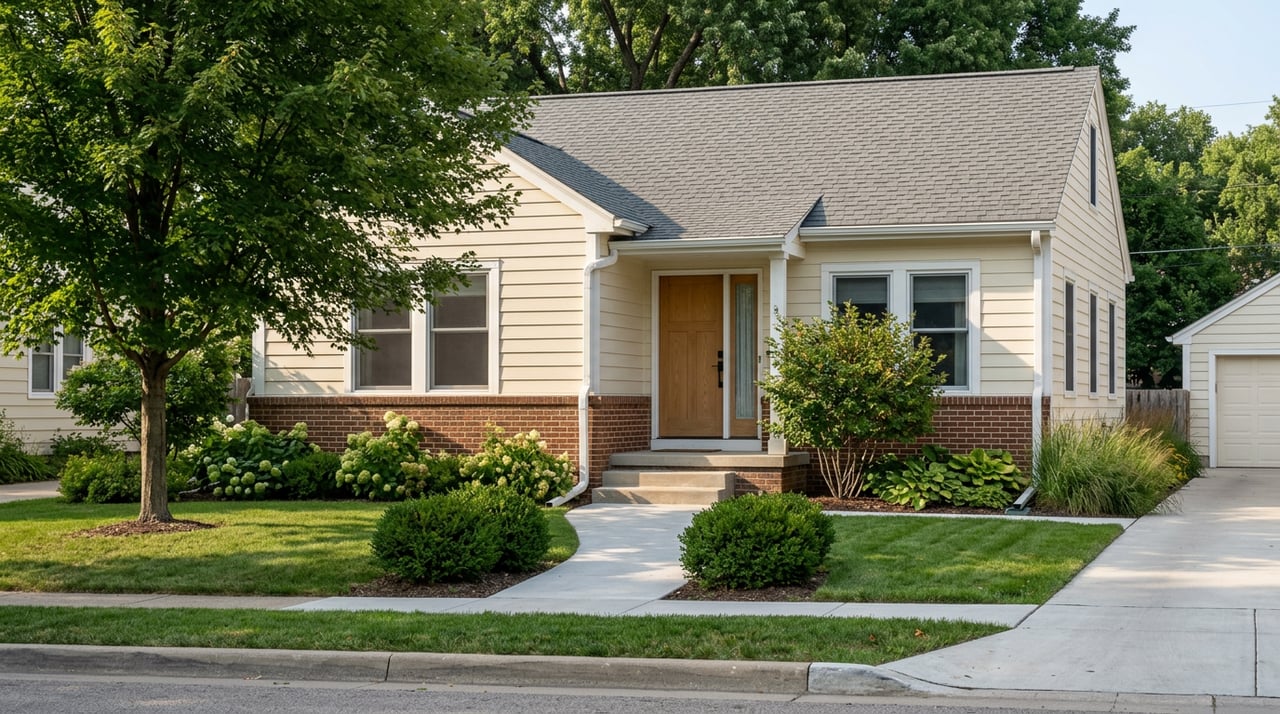
Watseka’s rental market is largely single-family homes, many built in the early to mid 20th century. Small multifamily exists, though it is less common than single-family rentals. When touring, focus on roof, HVAC, plumbing, electrical, and any signs of deferred maintenance. Older homes can rent well when clean and functional, but surprises can add cost, so a thorough inspection matters.
Local compliance essentials
- Security deposits: Illinois’ Security Deposit Return Act outlines timelines and itemized statements for returning deposits. Keep clear records, provide written itemizations when required, and follow the statutory timing. Review the statute index on the Illinois General Assembly site.
- Lead-based paint: For homes built before 1978, federal law requires specific disclosures and delivery of the EPA and HUD pamphlet, Protect Your Family From Lead in Your Home. Get the fact sheet and ensure the correct forms go with your lease. See the HUD lead disclosure fact sheet.
- Local permits and inspections: A city-wide rental registration was not located in recent public pages reviewed. Requirements can change, so confirm with Watseka’s municipal office and code enforcement before leasing. Start with the city’s community contact page.
A simple due-diligence checklist
Use this as a quick reference before you write an offer.
- Market checks: Pull 3 to 5 recent sold comps and confirm active rental listings. If you may work with voucher tenants, review the ZIP 60970 levels in the HUD FY2025 SAFMR schedule.
- Taxes: Look up the parcel’s assessed value and tax history through Iroquois County records. You can start with statewide portals like Public Records OnlineSearches for Illinois property taxes and then navigate to the county site.
- Insurance: Get at least two landlord policy quotes that include dwelling coverage, liability, and optional loss-of-rents coverage.
- Property condition: Order a home inspection. Pay close attention to roof age, foundation, plumbing, electrical, moisture, and safety items. For pre-1978 homes, plan for lead disclosure and any remediation. See the HUD lead disclosure fact sheet.
- Lease and compliance: If buying an occupied property, request the current lease, rent ledger, deposits, and any code or enforcement notices. If you plan to accept vouchers, confirm local program steps and unit standards with the PHA.
- Management plan: Decide who will handle leasing, showings, rent collection, maintenance coordination, and accounting. If interviewing managers, ask for a sample owner statement and a full fee schedule.
How financing usually works
Investment loans typically require higher down payments and slightly higher interest rates than owner-occupied loans. Options include conventional investor loans, portfolio loans, and bridge or private financing. Terms vary by lender and your profile, so it helps to gather quotes and get pre-approved before you start offering. This will sharpen your numbers and improve your negotiating position.
Strategy tips for small-market rentals
- Underwrite conservatively: Use lower rent assumptions and higher expense assumptions at first. If the deal still works, you have a margin of safety.
- Watch taxes and insurance: Small shifts can reshape cash flow. Confirm both early in your analysis.
- Plan for turns: In a small market, one extra month of vacancy matters. Keep a dedicated reserve and start marketing early before lease-end.
- Consider light value-add: Simple updates, safety fixes, and clean curb appeal can improve rentability without overspending.
Ready to talk through a specific property or build a plan for your first rental? I’m here to help you move step by step, from numbers to keys. Reach out to Maria Arseneau for calm, local guidance and investor support.
FAQs
What is a good cap rate for Watseka rentals?
- Returns vary by property and expenses, but quick screens based on local rent examples suggest modest cap rates in the low to mid single digits; run a full pro forma for your target home using conservative rent and expense assumptions.
How do HUD Fair Market Rents affect my pricing in Watseka?
- HUD’s FY2025 small-area FMR for ZIP 60970 lists a 2 BR level near 870 dollars per month, which helps you gauge voucher-supported rent; use current listings for typical market rent and the HUD schedule for voucher scenarios.
What property taxes should I expect on a Watseka rental?
- As a planning figure, Illinois’ effective property tax environment is around 1.8 percent of value; confirm the exact assessed value and tax history for the parcel through county records and reference the Tax Foundation’s Illinois overview.
Do I need a rental license in the City of Watseka?
- A city-wide registration was not visible on recent public pages, so requirements may be minimal or handled case by case; verify with the city directly using the Watseka community contact page before you lease.
How much should I budget for professional property management?
- In many small markets, full-service management runs about 8 to 12 percent of monthly rent plus a leasing fee; request a full fee schedule and a sample owner statement when you interview managers.